
Group Picture of the Law Offices of Jeffrey S. Glassman
Justia Lawyer Rating

Depo-Provera (depot medroxyprogesterone acetate, often shortened to DMPA) has been used for decades as an injectable form of birth control. For many patients, it’s been prescribed for convenience and reliability. In 2026, however, Depo-Provera is also at the center of rapidly evolving product-liability litigation focused on allegations that repeated/long-term use may be associated with an increased risk of meningioma, a typically noncancerous intracranial tumor that can still cause serious neurological harm.

Our Depo-Provera lawsuit claims attorneys explain what has changed recently, what plaintiffs are alleging, how these cases are evaluated, and what documentation tends to matter most when investigating a potential claim. This article is written for patients and families, not for other lawyers, so it focuses on practical realities rather than legal jargon.
What changed recently is that the U.S. label now includes a meningioma warning

Lithium-ion batteries power so much of daily life—e-bikes, e-scooters, phones, laptops, power tools, and portable chargers. Most of the time, they work safely. When something goes wrong, it can happen fast: a loud pop, a sudden flare, thick smoke, and heat intense enough to cause severe burns in seconds. If you or someone you love has suffered a burn injury or smoke-inhalation injury after a battery fire, you may be dealing with painful treatment, missed work, and questions about who is responsible, and whether a product liability lawyer can help you understand your options.

This guide explains common causes of lithium-ion battery fires, how recalls and safety warnings work, the specific risks associated with e-bike and e-scooter batteries, and practical steps to protect your health and your legal rights. If you need help now, Jeffrey Glassman Injury Lawyers offers free consultations to injured people seeking clear answers and a path forward.

Why Lithium-Ion Battery Fires Happen

The week after Christmas in Greater Boston is a whirlwind of returns, exchanges, and troubleshooting. It is also when hidden defects reveal themselves. A toy sheds a tiny magnet. An e-scooter battery swells while charging. A “fast” wall plug overheats on an old extension cord. When a product injures a child or starts a fire, you are thrust into two urgent jobs at once: caring for your family and protecting your legal rights. This guide explains how post-holiday product claims work in Massachusetts and what evidence to preserve while it still exists.

Why Do Defects Appear Right After The Holidays?

New products cluster in December, and so do first-use failures. Batteries are charged for the first time. Toys leave their packaging. Chargers and cords meet outlets in older Boston housing where wiring can be idiosyncratic. None of that excuses a defect. In product liability cases, we look at three core theories: a design defect that made the product unreasonably dangerous even when built correctly, a manufacturing defect that slipped past quality control, and a failure to warn about foreseeable risks. Which theory applies drives what experts we involve and which companies we name.

The holidays in Boston can feel magical, but for parents, they can also feel stressful. Shiny new toys fill store shelves and online carts, children are excited to unwrap gifts, and you are left trying to figure out which toys are truly safe. Every year, thousands of children nationwide visit emergency rooms because of toy-related injuries, and many of those injuries involve products later recalled for safety defects. 

Suppose a toy has already hurt your child. In that case, you may be dealing with medical appointments, hospital bills, and sleepless nights, while also wondering whether the toy was defective and who is responsible. Jeffrey Glassman Injury Lawyers, a Boston product liability law firm that handles dangerous products cases across Massachusetts, understands how overwhelming this situation can be for families. 

This guide explains how dangerous holiday toys end up in our homes, how product liability law works in Massachusetts, what steps to take after an injury, and when it is time to talk with a Boston product liability lawyer about your child’s rights.

We’ve been busy tracking the latest recalls, regulatory moves, and court decisions that matter to consumers and injury victims. Below is our early fall roundup from our product liability attorneys at Jeffrey Glassman Injury Lawyers, what’s happening now, why it matters, and how we can help if you or your family has been harmed.

Consumer product recalls we’re watching

780,000 Ryobi pressure washers recalled for explosion and impact hazard

At Jeffrey Glassman Injury Lawyers, we track the latest product liability news to protect consumers and ensure that dangerous products are held to account. July 2025 brought a series of major recalls, a landmark legislative proposal, and significant court decisions, all of which had the potential to impact the rights of injury victims, making it an important time to consult a product liability lawyer.

Major Recalls Affecting Consumers in July 2025

  • Walmart Ozark Trail Water Bottle Recall. One of the most significant recalls this month involved Walmart’s Ozark Trail 64-oz stainless steel insulated water bottles. Approximately 850,000 units were recalled after reports of exploding lids resulted in serious injuries, including permanent blindness. Documents reveal that Walmart was aware of the risk as early as 2018, but attributed incidents to misuse. The U.S. Consumer Product Safety Commission pushed for the recall after another injury in 2024. Consumers should stop using the bottles immediately and return them for a refund.

A Growing Recall Reaches 1.2 Million Coolers

On May 8, 2025, the U.S. Consumer Product Safety Commission (CPSC) announced that Igloo Products Corp. is expanding its February recall of 90-quart Flip & Tow Rolling Coolers. Another 130,000 units have been added, bringing the total to nearly 1.2 million coolers pulled from the market. The tow-handle design can pinch users’ fingers against the body, creating a serious risk of fingertip amputations and crushing injuries. A Boston product liability lawyer can help victims understand their legal options and pursue compensation for injuries caused by defective consumer products like this one.

The Hazard and the Injury Record

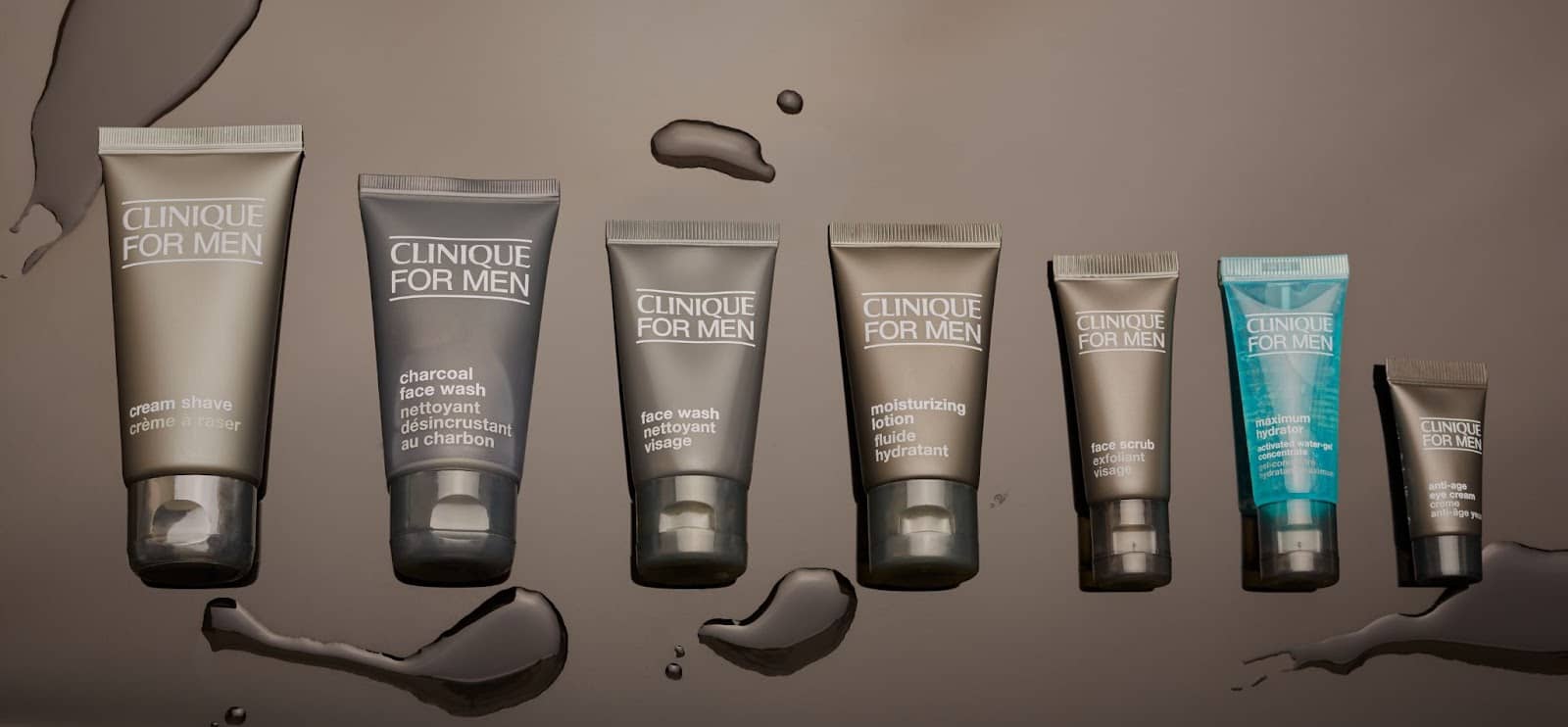
Skin Care Products
In a recent investigation conducted by the independent laboratory Valisure, alarming levels of benzene, a chemical known for its carcinogenic properties, have been identified in several acne treatment products. This discovery encompasses products from renowned brands such as Estee Lauder’s Clinique, Target’s Up & Up, Reckitt Benckiser’s Clearasil, as well as other products including Proactiv, PanOxyl, Walgreens’ acne soap bar, and Walmart’s Equate Beauty acne cream.

Details of the Discovery

Valisure’s rigorous testing identified benzene in various acne treatment solutions, including those from Proactiv, PanOxyl, and retail brands like Walgreens and Walmart’s Equate Beauty acne cream. The laboratory reported that these products could contain benzene at levels much higher than what the FDA considers conditionally restricted, raising alarms about potential health risks.

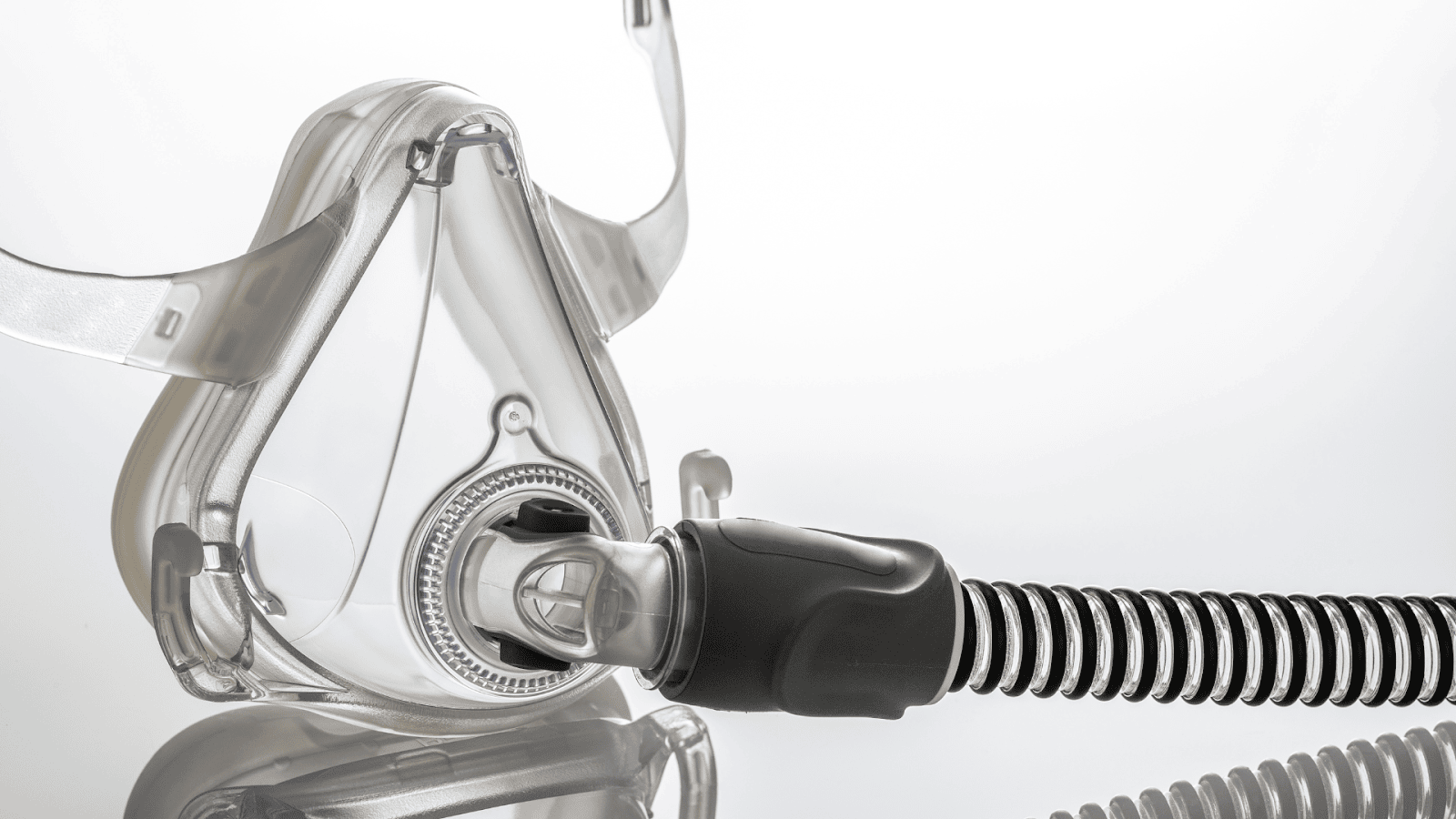
BiPAP CPAP Recall
In an unprecedented move that has caught the attention of healthcare providers and patients alike, Philips Respironics issued a recall for specific models of its BiPAP and CPAP machines in 2021. This recall raises significant concerns for individuals relying on these devices for respiratory support, marking a critical juncture in the realm of patient care and medical device reliability. The announcement has sent ripples through the medical community, prompting a reevaluation of the safety and efficacy of such essential respiratory support devices. Recognizing the gravity of this situation, Jeffrey Glassman Injury Lawyers is committed to advocating for the rights and well-being of our clients. 

Important Update on Philips Respironics Machine Recalls

The U.S. Food and Drug Administration (FDA) has issued critical updates on the recall of specific Philips Respironics CPAP, BiPAP, and ventilator machines, highlighting the serious nature of the situation with 561 deaths associated with these devices since the recall began in 2021. These machines, essential for individuals with sleep apnea and other respiratory conditions, have been identified as having significant issues that could pose severe health risks to users. The alarming number of associated fatalities underscores the urgency for affected individuals to take appropriate actions and seek guidance.

Contact Information